Navigating care can be overwhelming. Home care services offer dignity, independence, and comfort at home, allowing individuals to age in place or recover from illness. Understanding these services is key to making informed choices.
This article explores home care, clarifying the process and providing clear insights.
1. What Are Home Care Services?
1.1 Definition and Overview
At its core, home care is non-medical support provided in a person’s residence. It is designed for individuals who need assistance with daily activities but do not require constant skilled nursing care. The primary goal is to enhance quality of life, promote independence, and provide peace of mind for families.
1.2 Types of Services Offered
Services are categorized into Activities of Daily Living (ADLs) and Instrumental Activities of Daily Living (IADLs). ADLs involve personal care such as bathing, dressing, and eating. IADLs include meal prep, housekeeping, and transportation. Specialized care for dementia or recovery is also available.
1.3 Difference Between Home Care and Home Health Care
Home care provides non-medical, custodial aid by companions, while home health care is doctor-prescribed, involving skilled medical services by licensed professionals. They often work together to support daily living and clinical needs.
1.4 Qualifications of Care Providers
Home care aides, often certified or trained, undergo background checks and receive ongoing training. They focus on safety, emergency response, and communication.
1.5 Regulatory Standards and Compliance
State laws regulate licensed home care agencies, focusing on staffing, training, and business practices. Verify an agency’s license and look for accreditation by The Joint Commission to ensure quality and safety.
2. How to Choose the Right Home Care Service?
2.1 Assessing Your Needs
Begin with a clear-eyed assessment. What specific tasks require help? Is it primarily companionship and meal prep, or more intensive personal care? Consider the required schedule—a few hours a day, overnight, or 24/7 live-in care? Involve the care recipient in this conversation to ensure their preferences are respected.
2.2 Researching Potential Providers
Seek recommendations from doctors, hospitals, social workers, and friends. Explore online reviews and agency websites. Compile a shortlist of agencies that serve your area and align with your needs.
2.3 Understanding Costs and Payment Options
Home care is typically private pay, with costs hourly or daily. Some long-term care insurance policies, veterans’ benefits, or Medicaid waiver programs may offer coverage. Be sure to get detailed, written fee schedules and ask about any minimum hour requirements or extra charges.
2.4 Evaluating Provider Credentials
Interview agencies thoroughly. Ask about their hiring process, caregiver training, supervision protocols, and how they handle emergencies. Request proof of licensing, bonding, and insurance. A trustworthy agency will be transparent and welcome these questions.
3. Benefits of Home Care Services
3.1 Increased Independence and Comfort
The foremost benefit is enabling individuals to stay in their own homes, surrounded by memories and personal belongings. This fosters a sense of autonomy and control that is profoundly beneficial for mental and emotional well-being.
3.2 Personalized Attention and Care
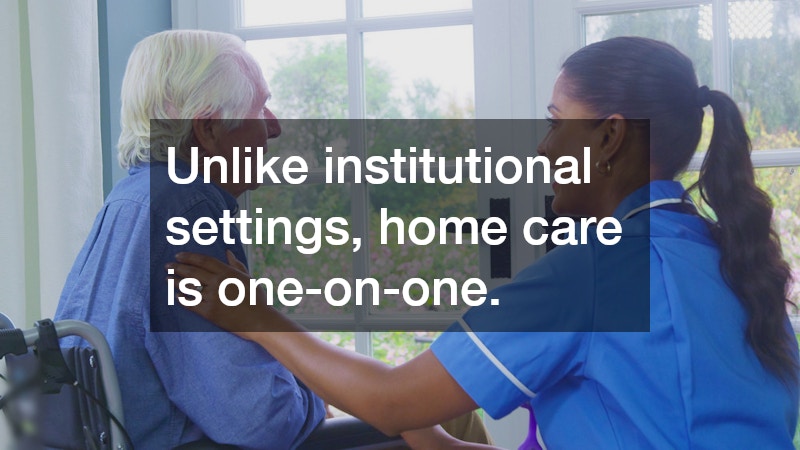
Unlike institutional settings, home care is one-on-one. Care is tailored to the individual’s routines, preferences, and pace, leading to more meaningful and effective support.
3.3 Flexibility and Convenience
Services can be scaled up or down as needed, from occasional respite care to full-time support. This adaptability makes it a practical solution for evolving situations.
3.4 Social and Emotional Support
Loneliness and isolation can significantly impact health. A consistent caregiver provides companionship, conversation, and engagement, which are vital for cognitive and emotional health.
3.5 Continuity of Care
Building a relationship with a dedicated caregiver or a small team ensures consistency. This continuity helps the care recipient feel secure and allows the caregiver to notice subtle changes in condition.
4. Common Challenges and Misconceptions
4.1 Misunderstanding Service Capabilities
It’s important to have realistic expectations. Home care aides cannot perform medical procedures. Clear communication about the scope of services prevents disappointment.
4.2 Balancing Caregiver Expectations
The caregiver-client relationship is unique. While familiarity grows, it remains a professional arrangement. Setting clear boundaries from the start is healthy for both parties.
4.3 Navigating Insurance and Costs
The financial aspect can be complex. Proactively investigating all potential payment options and seeking guidance from a financial advisor or elder law attorney can alleviate stress.
4.4 Ensuring Quality of Care
Quality is maintained through vigilance. Family members should monitor care, communicate regularly with the agency, and use the care plan as a benchmark. Don’t hesitate to request a change in caregiver if the fit isn’t right.