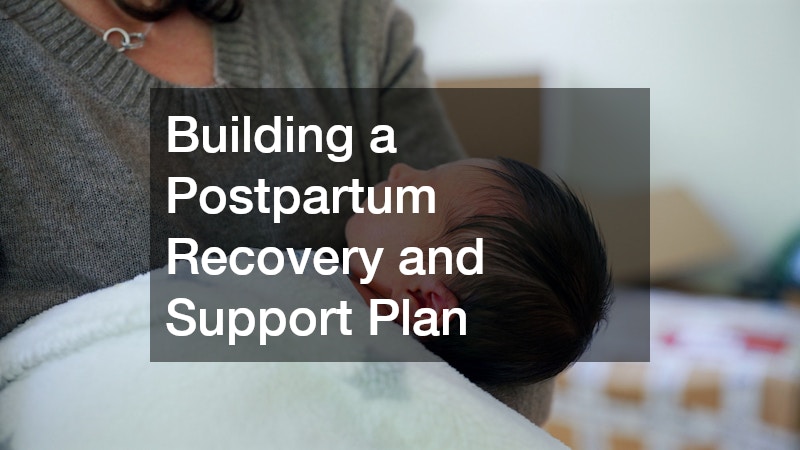
The weeks and months after childbirth are often described as joyful, overwhelming, transformative, and exhausting—sometimes all at once. While much attention is given to pregnancy and delivery, postpartum recovery requires just as much planning and support. Healing is not limited to physical changes; it also includes emotional adjustment, sleep disruption, nutritional demands, and the restructuring of daily routines.
Building a postpartum recovery and support plan in advance—or as early as possible after birth—creates stability during a time of constant change. A thoughtful plan helps reduce stress, supports faster healing, and ensures that both parent and baby receive the care they need. The goal is not perfection but preparedness: anticipating challenges, organizing support systems, and responding proactively rather than reactively.
Establishing Realistic Physical Recovery Expectations

Physical healing varies depending on the type of delivery, preexisting health conditions, and overall birth experience. Regardless of delivery method, the body undergoes significant stress and requires structured recovery. Hormonal shifts, blood volume changes, tissue stretching, and muscular strain all occur within a short period of time. Even when delivery is uncomplicated, the body must repair connective tissue, restore muscle tone, and rebalance internal systems that supported pregnancy.
An effective pain management strategy should begin before leaving the hospital or birthing center. Rather than waiting until discomfort becomes severe, create a proactive plan that includes both medical and non-medical approaches. Early planning reduces the likelihood of breakthrough pain, which can be harder to control once it intensifies. It also allows for better mobility, improved sleep, and more comfortable infant care.
Key considerations include:
- Understanding expected soreness from vaginal birth versus cesarean incision healing: Vaginal birth may involve perineal tenderness, swelling, or stitches, while cesarean recovery includes abdominal incision discomfort and deeper muscular healing. Knowing what is typical helps distinguish between normal soreness and concerning symptoms such as increasing redness, drainage, or sharp, escalating pain.
- Monitoring uterine cramping as the uterus contracts back to its pre-pregnancy size: Postpartum cramping, often intensified during feeding, is a sign that the uterus is shrinking appropriately. However, severe or worsening pain accompanied by heavy bleeding should be evaluated promptly.
- Tracking pelvic floor tenderness and abdominal weakness: Both delivery types can result in pelvic floor strain and reduced core stability. Sensations of heaviness, instability, or persistent pain may indicate the need for further assessment.
- Recognizing signs that discomfort is worsening instead of improving: Pain that steadily intensifies, interferes with mobility, or limits daily function beyond expected timelines warrants medical attention.
A structured pain management plan may include:
- Scheduled medication as prescribed rather than waiting for peak pain: Maintaining consistent dosing, when approved by a provider, helps prevent pain spikes that disrupt rest and movement.
- Heat or cold therapy, depending on provider recommendations: Cold therapy may reduce swelling in the early days, while gentle heat can relieve muscular tension once inflammation subsides.
- Support garments for abdominal or pelvic stabilization: Properly fitted support garments can reduce strain during movement, particularly when transitioning from sitting to standing.
- Gentle mobility exercises approved by a provider: Early, controlled movement improves circulation, reduces stiffness, and supports gradual strength restoration without overloading healing tissues.
It is also important to set realistic activity limits. Many parents feel pressure to resume normal routines quickly, but overexertion can delay healing. Energy reserves are often lower due to blood loss, interrupted sleep, and hormonal changes. Prioritizing rest in the early phase supports tissue repair and immune function.
Consider:
- Limiting stair use in the first week if possible: Repeated stair climbing can strain abdominal and pelvic muscles, especially after a cesarean birth.
- Avoid lifting anything heavier than the baby: Excessive lifting increases intra-abdominal pressure and may stress healing tissues.
- Scheduling short, supported walks rather than long outings: Brief walks encourage circulation and prevent stiffness while minimizing fatigue.
Gradually increasing activity based on comfort and provider guidance allows for steady progress without setbacks. Tracking how the body responds to movement helps identify appropriate pacing.
Documenting symptoms weekly helps identify patterns and provides useful information for follow-up appointments. Recovery is rarely linear; fluctuations are normal, but persistent escalation is not. Structured monitoring supports timely intervention. Keeping notes on pain levels, bleeding patterns, mobility, and energy provides clarity during medical visits and reinforces awareness of gradual improvement over time.
Building a Sustainable Feeding Routine That Protects Your Energy
Breastfeeding provides nutritional and bonding benefits, but it is physically demanding. It increases caloric needs, requires sustained positioning, and often disrupts sleep patterns.
Protecting your body during feeding sessions is essential. Poor positioning can contribute to neck strain, shoulder pain, and lower back tension.
Practical steps to support sustainable feeding include:
- Using firm pillows to elevate the baby rather than hunching forward
- Keeping shoulders relaxed and spine neutral
- Rotating positions to avoid repetitive strain
- Staying hydrated and keeping snacks nearby
Creating a dedicated feeding station reduces unnecessary movement. Consider including:
- A water bottle
- Protein-rich snacks
- Phone charger
- Burp cloths and wipes
- A small notebook or tracking app
Nighttime feeds can be especially draining. Coordinate partner involvement where possible:
- Have a partner handle diaper changes
- Alternate soothing responsibilities
- Prepare supplies in advance to reduce wake time
If latch discomfort, low supply, or persistent pain develops, consult a lactation specialist early. Addressing minor issues promptly prevents complications and reduces emotional stress.
Sustainability is key. The goal is to create a feeding rhythm that supports both baby and parent without compromising healing or energy reserves.
Restoring Strength and Stability After Birth
Pregnancy alters core stability, pelvic floor integrity, and musculoskeletal alignment. The abdominal wall stretches to accommodate fetal growth, the diaphragm adapts to changing pressure dynamics, and ligaments soften under hormonal influence. These adaptations are necessary during pregnancy but often leave behind altered movement patterns, reduced strength, and compensatory tension after delivery. Even uncomplicated births can leave residual weakness that benefits from structured rehabilitation.
Persistent symptoms such as pelvic heaviness, urinary leakage, lower back pain, or abdominal separation warrant evaluation. These concerns are common but not something parents are expected to simply tolerate. A physical therapy rehab center specializing in postpartum recovery can assess underlying dysfunction and design a progressive strengthening plan tailored to the individual’s delivery experience, baseline fitness, and current limitations.
An initial evaluation may include:
- Pelvic floor muscle assessment: This determines strength, endurance, coordination, and the ability to both contract and relax appropriately. Overly tight muscles can be just as problematic as weak ones.
- Diastasis recti measurement: Measuring the width and depth of abdominal separation helps guide exercise selection and intensity. The goal is functional tension and stability rather than simply closing the gap.
- Postural analysis: Forward head posture, rounded shoulders, and anterior pelvic tilt are common after months of pregnancy and infant feeding. Identifying these patterns allows for corrective strategies.
- Functional movement screening: Observing squatting, lifting, walking, and transitional movements reveals compensations that may contribute to pain or instability.
Early rehabilitation typically emphasizes:
- Gentle breathing exercises: Coordinated diaphragmatic breathing reconnects the core system and restores proper pressure management.
- Core activation without strain: Subtle engagement exercises retrain deep abdominal muscles before introducing heavier loads or dynamic movements.
- Pelvic floor coordination: Learning when to engage and when to relax the pelvic floor improves continence and reduces pressure symptoms.
- Controlled mobility work: Restoring hip, thoracic spine, and shoulder mobility prevents overcompensation in vulnerable areas like the lower back.
Progression should be gradual. Returning to high-impact exercise prematurely can exacerbate weakness or cause injury. Activities such as running, jumping, or heavy lifting increase intra-abdominal pressure and stress on healing tissues. A structured plan typically advances from static control exercises to functional strengthening, and eventually to impact training if appropriate. Each phase builds on the previous one, ensuring tissues adapt safely.
Indicators that professional evaluation is appropriate include:
- Pain lasting beyond six weeks: Ongoing discomfort suggests incomplete healing or compensatory movement patterns that require intervention.
- Difficulty controlling bowel or bladder function: Leakage or urgency can signal pelvic floor dysfunction that responds well to targeted therapy.
- Sensation of pelvic pressure: A feeling of heaviness may indicate inadequate support and should not be ignored.
- Persistent hip instability: Recurrent giving-way sensations or discomfort during weight-bearing activities may reflect a muscular imbalance.
Structured rehabilitation also provides education. Many parents are unsure how to lift car seats, carry infants, or resume exercise without aggravating symptoms. Guided instruction builds confidence while reinforcing proper mechanics. Investing in structured rehabilitation supports long-term function and reduces the risk of chronic pain, helping parents return to daily activities and fitness routines with greater stability and resilience.
Creating a Sleep-Supportive Recovery Environment

Sleep deprivation is one of the most challenging aspects of early parenthood. While uninterrupted sleep may not be possible, optimizing the sleep environment improves recovery efficiency.
An adjustable bed can provide meaningful support during postpartum healing. Elevation may reduce abdominal strain after cesarean birth, support reflux relief, and make nighttime feedings less disruptive.
Additional sleep-supportive strategies include:
- Keeping the bassinet within arm’s reach
- Using dim, warm lighting for nighttime feeds
- Preparing nighttime supplies before bed
- Coordinating sleep shifts with a partner
Structured rest planning helps preserve energy. Instead of waiting for exhaustion, proactively schedule:
- One uninterrupted sleep block daily if possible
- A short mid-day rest period
- Delegated household tasks
Environmental considerations also matter:
- Maintain a cool room temperature
- Use blackout curtains
- Minimize electronic stimulation before sleep
Sleep directly affects mood, healing, and milk supply. While perfection is unrealistic, incremental improvements significantly influence recovery outcomes.
Supporting Emotional Health and Reducing Anxiety
Emotional fluctuations are common in the weeks after birth. Hormonal changes, sleep disruption, and new responsibilities create vulnerability.
Persistent worry, racing thoughts, irritability, or difficulty sleeping even when the baby rests may indicate the need for anxiety therapy. Early support reduces escalation and improves overall functioning.
Warning signs that warrant professional evaluation include:
- Intrusive or repetitive distressing thoughts
- Panic symptoms
- Ongoing feelings of dread
- Difficulty bonding with the baby
Preventive emotional care strategies include:
- Scheduling regular check-ins with a trusted support person
- Limiting exposure to overwhelming online advice
- Practicing short breathing exercises daily
- Setting boundaries with visitors
Structured anxiety therapy may incorporate cognitive-behavioral techniques, grounding strategies, and gradual exposure to feared situations.
Partners should also be educated about warning signs. Emotional recovery is as important as physical healing. Seeking support early is proactive, not reactive.
Preparing for Unexpected Health Situations
Despite careful planning, complications can arise. Understanding the difference between a medical emergency and a situation appropriate for urgent care reduces confusion during stressful moments.
Situations that may constitute a medical emergency include:
- Heavy bleeding saturates a pad within an hour
- Chest pain or shortness of breath
- Severe headache with visual disturbances
- Signs of deep vein thrombosis
Conditions potentially appropriate for urgent care might include:
- Mild incision redness
- Non-severe urinary symptoms
- Minor wound concerns
Preparation steps include:
- Storing provider contact numbers in your phone
- Identifying the nearest hospital and urgent care facility
- Creating a childcare backup plan
- Keeping insurance and ID information accessible
Having a written action plan reduces panic and improves response time. Quick action can significantly alter outcomes.
Managing Musculoskeletal Strain From Infant Care

New parents perform repetitive movements: lifting, rocking, feeding, and carrying car seats. These motions strain the spine and shoulders.
Persistent discomfort may benefit from evaluation by chiropractors experienced in postpartum care. Manual adjustments, combined with strengthening exercises, may relieve tension and restore alignment.
Preventive strategies include:
- Keeping the baby close to your body when lifting
- Bending at the knees rather than the waist
- Alternating carrying sides
- Adjusting crib height when possible
Daily posture resets can include:
- Shoulder blade squeezes
- Gentle neck stretches
- Core engagement while standing
Small corrections reduce cumulative strain and prevent chronic issues.
Streamlining Medication and Supplement Access
Managing prescriptions while caring for a newborn can be overwhelming. Coordinating with local pharmacies in advance simplifies logistics.
Preparation steps include:
- Filling prescriptions before discharge
- Setting reminders for dosing schedules
- Asking about medication safety during nursing
- Arranging automatic refills
Pharmacists can clarify side effects and interactions. Keeping a medication log helps track timing and prevents missed doses, and organization reduces stress and supports adherence.
Reclaiming Personal Care and Confidence
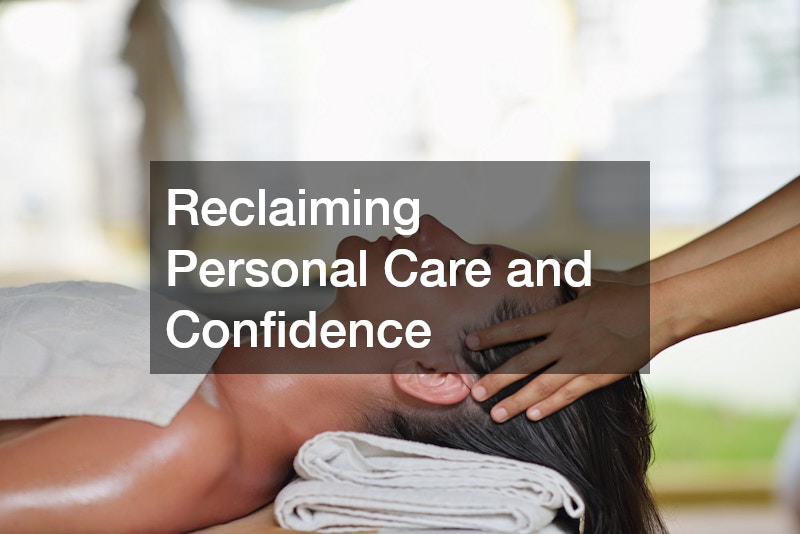
Physical changes, hormonal shifts, and sleep deprivation can impact self-image. Intentional self-care supports emotional recovery.
Scheduling small restorative activities, such as a facial, can provide a psychological reset. The key is choosing manageable, low-pressure options.
Self-care planning may include:
- Short walks outdoors
- Brief skincare routines
- A quiet coffee break alone
- A 30-minute relaxation session
The goal is not indulgence but restoration. Structured self-care reduces burnout and supports mental clarity.
Building a Long-Term Postpartum Wellness Roadmap
Recovery does not end at six weeks. Ongoing evaluation ensures sustained health.
Develop a 90-day roadmap that includes:
- Scheduled follow-up appointments
- Gradual reintroduction of exercise
- Nutritional planning
- Emotional check-ins
- Financial planning for continued services
Track milestones monthly. Assess:
- Energy levels
- Sleep consistency
- Pain reduction
- Emotional stability
When progress plateaus or symptoms persist, revisit earlier support strategies. Recovery is dynamic. A structured plan evolves with your needs.
A comprehensive postpartum recovery and support plan integrates physical healing, emotional care, sleep optimization, emergency preparedness, and long-term health maintenance. By anticipating challenges and coordinating professional and personal resources, parents can navigate the postpartum period with greater confidence and stability. Proactive planning transforms recovery from a reactive process into a structured pathway toward sustained wellness.