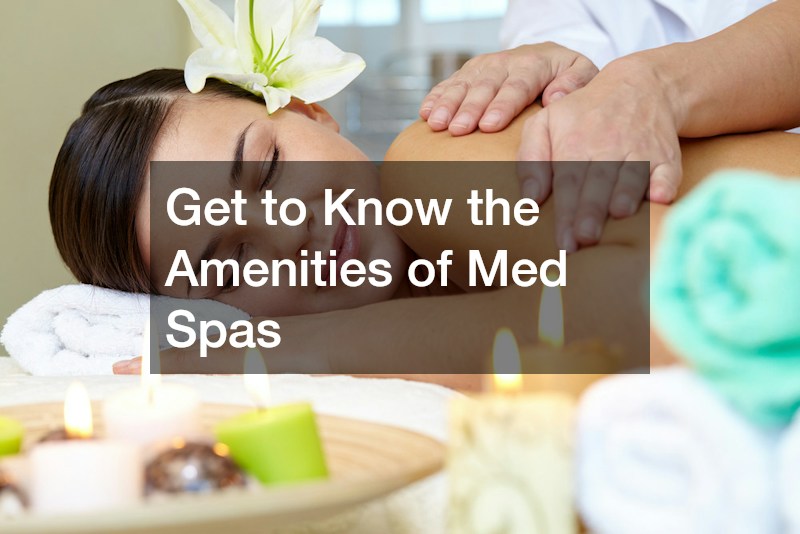
A medical spa combines elements of a traditional spa with services in a clinical setting. Beyond the treatments themselves, amenities can influence comfort, privacy, and the overall experience. From welcoming reception areas to specialized treatment spaces, med spas may offer features designed to help guests feel informed and at ease.
Facilities differ in layout, equipment, and services. Understanding common amenities can help you identify which features matter most.
Comfortable Reception and Waiting Areas
Many facilities offer reception spaces with comfortable seating, soft lighting, and a calm atmosphere. Some may provide water or other refreshments, along with a place to complete paperwork or review appointment information.
Clear check-in procedures and helpful staff can also ease a first visit. Although decorative touches vary, cleanliness, accessibility, and comfortable seating are practical qualities worth noticing. These details can make a difference whether someone is visiting for the first time or returning for a scheduled service.
Private Consultation Spaces
Consultation rooms are an important feature of many med spas because they allow guests to discuss their concerns and preferences away from crowded public areas. Qualified professionals may review health information, explain treatments, and discuss expectations or limitations.
Privacy is especially valuable when discussing skin concerns, aesthetic goals, or medical history. The room should allow questions about the proposed service, who will perform it, and any preparation or follow-up care. The quality of the consultation matters more than the appearance of the room alone.
Dedicated Treatment Rooms
Treatment areas often distinguish a medical spa from an ordinary wellness lounge. Depending on the services offered, these spaces may feature adjustable treatment beds, focused lighting, storage for supplies, and equipment tailored to specific procedures.
Proper sanitation and appropriate infection-control practices are essential, particularly when treatments involve needles, devices, or other procedures that affect the skin. Guests may also appreciate features such as privacy screens, clean linens, and a temperature-controlled setting. Depending on the procedure, staff may also explain how the room is prepared and what hygiene measures are used between appointments. Rather than assuming every location provides the same amenities, ask about the facilities and staff qualifications relevant to your planned appointment.
Advanced Equipment and Skin Assessment Tools
Some med spas incorporate specialized technology into their treatment offerings. Certain facilities have devices used for light-based treatments, skin resurfacing, or other aesthetic services, while others use imaging tools to help evaluate aspects of skin appearance.
Having advanced technology does not guarantee that a treatment suits everyone. Outcomes depend on the procedure, the operator, and individual factors. A reputable provider should be willing to explain what a device is intended to do, its possible risks, and whether it suits your needs. Well-maintained equipment and trained personnel are more meaningful than an extensive list of machines.
Relaxation and Personal Comfort Features
Beyond the clinical setting, some facilities provide amenities associated with traditional spas. These might include quiet lounges, soothing music, personal storage areas, or changing spaces. Such features can make appointments feel more relaxed, particularly when guests need time before or after a service.
Comfort also involves easy navigation, suitable seating, clear directions, and respectful assistance. When comparing med spas, consider whether the environment accommodates your mobility, privacy, or sensory preferences instead of judging the facility solely by its décor.
Aftercare Guidance and Follow-Up Support
An important part of the experience occurs after a treatment ends. Depending on the procedure, a facility may provide written aftercare instructions, a private area for brief recovery, or information about whom to contact with questions. These resources explain expected changes and symptoms requiring prompt medical attention.
Before making an appointment, ask how post-treatment concerns are handled and whether follow-up visits are available when appropriate. Clear guidance supports informed decisions and realistic expectations, especially for services that involve downtime or potential side effects.
Choosing Amenities That Matter to You
The most impressive surroundings are not necessarily the most useful. When evaluating med spas, prioritize qualified professionals, appropriate safety practices, and clear communication alongside the comfort features that make visits more pleasant. A welcoming lounge or modern treatment room can enhance the experience, but neither replaces competent care.
Learning about these amenities helps you choose an environment suited to your preferences and planned services. Before scheduling, consider which details will actually affect your visit, whether that means a quiet consultation room, accessible facilities, clear aftercare instructions, or space to recover comfortably after a procedure. It can also be useful to ask what is included in the appointment and what accommodations are available upon request. Taking time to explore these practical features can make it easier to feel prepared, ask informed questions, and select a facility that meets your expectations.