A sudden accident can disrupt your life in an instant. One moment you are managing your daily routine, and the next you are forced to navigate a complex maze of medical appointments, insurance paperwork, and physical limitations. The early days following a major injury are often filled with overwhelm, confusion, and anxiety about the future. It is entirely normal to feel lost as you face a long list of decisions regarding your physical rehabilitation and emotional well-being.
When the unexpected occurs, the immediate shock often gives way to a secondary wave of mental exhaustion. You might find yourself inundated with advice from well-meaning loved ones, conflicting information online, and a mountain of medical jargon that feels entirely foreign. It is incredibly easy to fall into the trap of treating your recovery as a series of daily fires that need to be put out, rather than a cohesive journey. This fragmented approach not only drains your emotional reserves but can also lead to critical gaps in your physical rehabilitation.
To break this cycle, it is essential to shift your perspective from merely surviving the aftermath of an accident to actively mastering your rehabilitation. This means recognizing that your body and mind are working in tandem to heal, and every decision you make—from the imaging center you choose to the type of assistance you welcome into your home—plays a fundamental role in your ultimate outcome. By establishing a structured, macro-level view of your wellness path, you strip away the chaos and replace it with a sense of predictable progress. The goal of this guide is to serve as that steadying force, helping you filter out the noise so you can focus on what truly matters.
True recovery is rarely a straight line. It is a comprehensive process that requires moving beyond basic crisis management into a structured, proactive plan for long-term health. Healing effectively demands an approach that addresses the immediate trauma while safeguarding your future quality of life. We will explore how to integrate clinical precision with compassionate personal care, ensuring that you are fully equipped to advocate for yourself at every consultation, therapy session, and milestone along the way. By understanding the path ahead and recognizing the diverse resources available to you, you can transform an incredibly stressful period into a well-managed journey toward complete wellness. This guide offers an in-depth, compassionate, and practical roadmap to help you take control of your healing process, advocate for your needs, and rebuild your life with confidence.
1. Prioritize a Clear Assessment
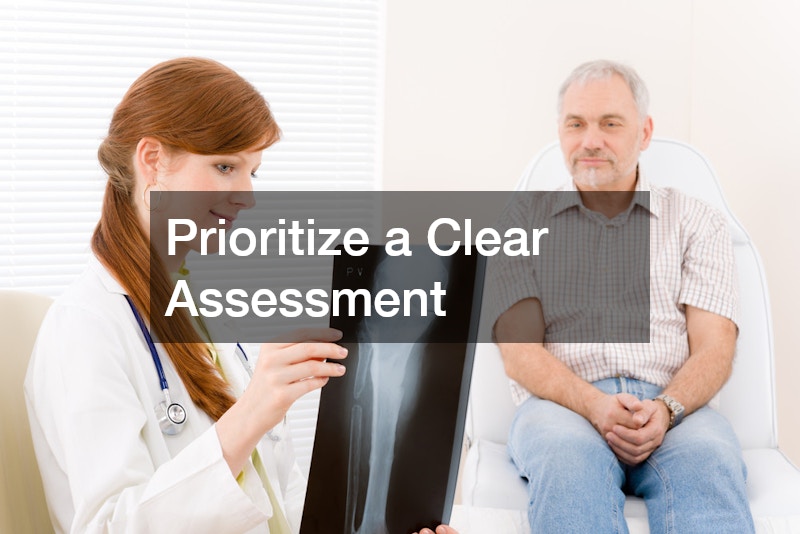
The absolute first step after any major accident is obtaining a precise, comprehensive medical diagnosis. Minor symptoms can mask severe internal trauma, and delaying specialized imaging can complicate your recovery or compromise necessary documentation. Navigating the immediate aftermath of an accident requires a clear understanding of the exact nature of your injuries.
When seeking an evaluation following a personal injury, you must communicate every symptom to your care team, no matter how minor it seems. Diagnostic technology plays a pivotal role in this phase, allowing physicians to look deep within the soft tissues, ligaments, and neurological pathways. If you experience anxiety or claustrophobia in standard medical equipment, you can advocate for alternative imaging solutions. Requesting an open mri test can provide your medical team with high-resolution diagnostic data while ensuring you remain comfortable and relaxed throughout the scanning process.
2. Safeguard Your Joints and Structural Mobility
High-impact accidents frequently result in severe musculoskeletal trauma, particularly to the joints that bear the weight of your body. Joint injuries require specialized, immediate attention to prevent the onset of chronic, long-term degradation.
If you are dealing with localized trauma, managing severe knee pain is often a top priority to restore your basic independent movement. Initial care should focus on reducing inflammation through controlled rest, targeted ice therapy, and proper elevation. However, when joint or limb damage is catastrophic, standard rehabilitation may need to be paired with advanced biomedical engineering. Accessing specialized prosthetics services can provide customized orthotic supports, braces, or artificial limbs designed to restore structural alignment, distribute weight evenly, and help you regain your physical independence safely.
3. Establish a Layered Strategy for Physical Comfort
Managing physical discomfort is one of the most challenging aspects of rehabilitation. A reliance on pharmaceutical interventions alone is rarely a sustainable or holistic solution for long-term well-being.
A sophisticated approach to clinical pain management involves combining multiple modalities to disrupt discomfort pathways safely. This includes combining anti-inflammatory nutrition, targeted physical therapy, and non-invasive medical interventions. To complement these physical practices, integrating evidence-based psychological relaxation techniques can be incredibly powerful. Utilizing professional hypnosis therapy allows you to work with a trained specialist to retrain how your central nervous system perceives stress and discomfort, significantly reducing the emotional toll of chronic physical suffering.
4. Optimize Your Home Environment for Healing

Transitioning from a clinical hospital setting back to your own home is a major milestone, but it requires careful preparation to ensure safety and prevent re-injury. Your living space must be adapted to accommodate your current mobility limitations.
Setting up a dedicated environment for home care involves clearing wide pathways, removing trip hazards like loose rugs, and installing essential safety equipment such as bathroom grab bars. Modifying your home ensures that you can rest deeply without worrying about navigating structural obstacles. Creating a centralized recovery station on the ground floor of your residence can minimize the need to climb stairs, keeping your essential supplies, medications, and communication devices within easy reach at all times.
5. Secure Qualified Professional Assistance
While modifying your physical environment is crucial, having the right hands-on help is equally vital for a smooth recovery process. Attempting to manage daily activities entirely on your own can stall your physical progress.
Enlisting a dedicated home care service brings trained professionals into your living space to assist with wound care, medication management, and mobility exercises. These professionals ensure that your daily routine aligns perfectly with your doctor’s rehabilitation protocols. Having structured help reduces the physical burden on your family members, allowing them to focus on providing emotional support rather than acting as full-time medical attendants during your recovery.
6. Balance Family Dynamics and Multi-Generational Needs
A major injury does not happen in a vacuum; it impacts the entire household. When a primary caregiver or an active family member is injured, the daily routines of everyone in the home can be disrupted.
If you live in a multi-generational household, securing specialized companion care for seniors can relieve immense pressure. This specialized support ensures that older relatives continue to receive dedicated attention, emotional engagement, and help with their daily routines while you focus your energy on your own intensive rehabilitation. Balancing the needs of the entire household prevents caregiver burnout and creates a peaceful, supportive environment that benefits everyone living under your roof.
7. Partner with Highly Trained Clinicians
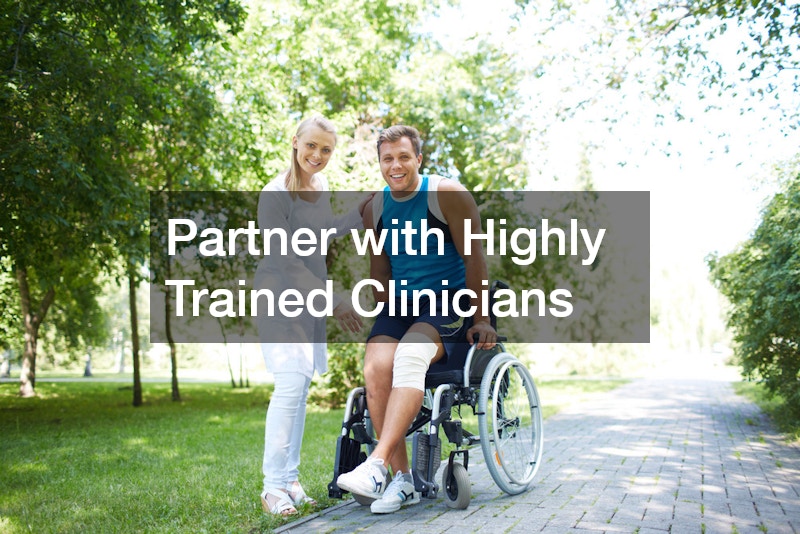
The success of your rehabilitation depends heavily on the expertise of the individuals guiding your treatment. Entrusting your body to qualified experts gives you the peace of mind necessary to focus entirely on healing.
When assembling your rehabilitation team, look closely at the academic and clinical backgrounds of your physical therapists, chiropractors, and specialists. Professionals who hold advanced healthcare degrees have spent years studying anatomy, physiology, and cutting-edge rehabilitation sciences. Working with highly credentialed clinicians guarantees that your treatment plan is rooted in evidence-based medicine, drastically reducing the risk of secondary injuries and maximizing your long-term physical recovery.
8. Cultivate Psychological and Emotional Resilience
Physical trauma is invariably accompanied by emotional challenges. Addressing the psychological impact of a sudden life disruption is just as critical as mending bones and tissues.
-
Acknowledge the grief that comes with temporary or permanent changes to your physical capabilities
-
Speak regularly with a mental health counselor specializing in medical trauma and recovery
-
Practice daily mindfulness exercises to lower your cortisol levels and reduce systemic inflammation
-
Set small, achievable daily goals to maintain a sense of purpose and personal agency
-
Stay connected with your social support network to combat the isolation that often accompanies long-term healing
9. Adapt Nutrition and Lifestyle Habits for Tissue Repair
Your body requires an abundance of clean energy and specific nutrients to rebuild damaged tissues and recover from structural trauma. Adjusting your daily lifestyle habits supports your clinical treatments from the inside out.
-
Increase your intake of lean proteins to supply the amino acids necessary for muscle and tissue repair
-
Incorporate high-antioxidant foods like berries and leafy greens to combat oxidative stress
-
Stay meticulously hydrated to maintain joint lubrication and support efficient nutrient delivery throughout your body
-
Prioritize clean, uninterrupted sleep cycles, as your body releases the vast majority of its growth hormones during deep sleep
-
Avoid inflammatory substances such as processed sugars and excessive caffeine, which can delay the natural healing response
10. Transition Gradually Back into Daily Routines

The final phase of recovery involves re-integrating into your normal social, professional, and recreational activities. Rushing this process can result in setbacks, making a gradual transition essential.
-
Work closely with your physical therapist to design a progressive return-to-work schedule
-
Utilize assistive devices or modified ergonomics at your workspace to reduce physical strain
-
Listen closely to your body’s signals and allow yourself scheduled rest periods throughout the day
-
Gradually reintroduce low-impact recreational activities before attempting high-intensity exercises
-
Celebrate the milestones you achieve along the way, recognizing the immense effort required to rebuild your health
Recovering from a significant physical injury is an undeniably challenging journey that tests your patience, resilience, and strength. It is a process that cannot be rushed, requiring a thoughtful balance of advanced medical diagnostics, structured physical rehabilitation, and dedicated emotional care. By taking an active role in your healthcare decisions and building a comprehensive support system, you can successfully navigate the complexities of healing.
As you move forward, remember that the version of you who emerges from this experience does not have to be defined by the limitations of the injury itself. Often, the process of rebuilding your physical and emotional life forces a profound reevaluation of what it means to be truly healthy. You may discover a newfound appreciation for your body’s innate resilience, a deeper empathy for others facing physical challenges, and a sharper focus on prioritizing your long-term well-being over daily external stresses. Healing is rarely about returning to an exact, identical past; rather, it is about constructing a strong, adaptable future.
There will inevitably be days when progress feels incredibly slow or when a specific therapy session leaves you feeling discouraged. During these plateau periods, it is vital to look backward at how far you have already traveled since the day of the initial trauma, rather than fixating solely on how far you have left to go. Every small choice to rest, every nutritious meal, and every moment spent retraining your mind and body adds up to a massive shift over time. You are the author of this recovery story, and while you cannot change the event that started it, you have absolute agency over the chapters that follow.
Remember that seeking help is a sign of strength, not weakness. Lean on the expertise of credentialed medical professionals, optimize your home environment for safety, and remain patient with your body as it works to repair itself. Trust in the expertise of your care team, remain fiercely dedicated to your daily rehabilitation practices, and give yourself immense grace during the difficult moments. With the right tools, a clear plan, and a compassionate approach to your own well-being, you can overcome the challenges of an unexpected accident and step forward into a healthy, vibrant, and focused life, one steady, intentional step at a time.
Your resilience is a powerful foundation that will continue to carry you through every stage of this transformation. Keep your eyes firmly fixed on the vibrant future ahead, knowing that every hurdle you cross is making you stronger. You possess the capability to completely reclaim your life, so move forward with unwavering hope and total confidence. You have the strength within you to turn this challenging chapter into a story of profound triumph.